 |
 |
 |
|---|

 |
 |
|---|
 |
|
|---|---|
 |
 |
|
|
 |
|
|
|
 |
|
|
|
 |
|
|
|
 |
|
|
|
 |
|
|
|
 |
|
|
|
 |
 |
|---|
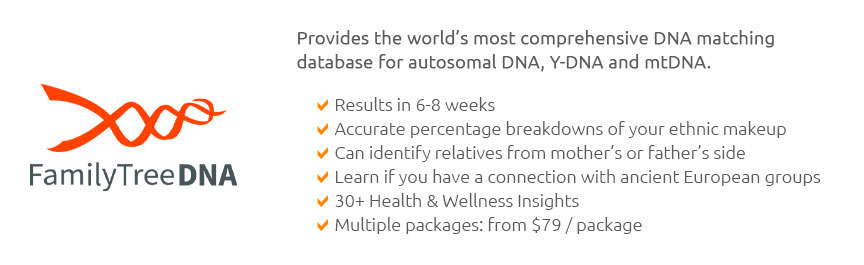
Family Tree DNA vs. Ancestry DNA: A Comparative ExplorationIn today's rapidly evolving world of genetic testing, individuals are increasingly turning to DNA testing services to unravel the mysteries of their ancestry. Among the leading providers, Family Tree DNA and Ancestry DNA stand out as two of the most popular choices, each offering a unique set of features and insights. For those embarking on a genealogical journey, choosing between these two giants can feel like navigating a complex family tree with countless branches. Family Tree DNA, often lauded for its robust database and comprehensive testing options, offers a nuanced approach to genetic testing. This company provides customers with various types of tests, including autosomal, Y-DNA, and mitochondrial DNA testing. Autosomal tests are designed to provide a broad overview of one's ancestry, typically within the past few generations, while Y-DNA and mtDNA tests delve deeper into paternal and maternal lines, respectively. This depth of analysis makes Family Tree DNA a compelling choice for those who are serious about tracing specific lineages or connecting with distant relatives. On the other hand, Ancestry DNA is often celebrated for its expansive database and user-friendly interface, which appeals to a broad audience seeking an accessible entry point into the world of genealogy. With a focus on autosomal DNA testing, Ancestry DNA provides users with an ethnicity estimate, shedding light on the regions from which their ancestors hailed. This can be particularly thrilling for those with diverse backgrounds, as it paints a vivid picture of one's heritage.
In conclusion, the choice between Family Tree DNA and Ancestry DNA ultimately depends on one's specific needs and interests. If you're seeking an in-depth exploration of your paternal or maternal ancestry, Family Tree DNA might be your best bet. Conversely, if you're drawn to the idea of discovering a wide network of living relatives and enjoy a straightforward user experience, Ancestry DNA could be the way to go. Both services offer invaluable insights into our past, connecting us with our roots and with each other in profound and often unexpected ways. As we delve deeper into the science of genetics, these tools continue to evolve, offering ever-richer narratives of our shared human journey. https://forums.familytreedna.com/forum/universal-lineage-testing-autosomal-dna/myorigins-basics/16090-my-origins-ftdna-vs-ancestry-totally-different
What it tells you is that your British DNA is very Viking and Germanic influenced, and not very Celtic. AncestryDNA's "Ireland" category is more ... https://www.dnaweekly.com/blog/familytreedna-vs-ancestry/
FamilyTreeDNA might offer better value for those specifically interested in deep ancestral lineage testing through Y-DNA and mtDNA tests. https://www.quora.com/Which-test-is-more-accurate-for-finding-out-ancestry-Family-Tree-DNA-or-Ancestry-DNA
First, ancestry tests are based on genotyping not DNA sequencing. A genotype is a collection of preselected DNA snippets that are known to vary ...
|
|---|

